// IT cabinet air conditioner: how to succeed? //
How do you go about selecting a cabinet air conditioner for an electrical or IT cabinet or rack? That is THE QUESTION of the day!
The digitalization of factories makes IT equipment increasingly essential to the smooth operation of the entire company.
PLCs, supervisory systems, robotics, and automation now rely on sophisticated electronic infrastructures that are particularly sensitive to temperature fluctuations.
The problem?
IT or electrical equipment generates heat, and this heat can jeopardize proper operation, thereby impairing—or even disrupting—your control, monitoring, or communication tools.
EURODIFROID provides you with key insights and methodological tips to answer THE QUESTION: how can you effectively cool your IT or electrical installation using a rack or cabinet air conditioning solution?
The short answer
The article below details important or useful points for configuring your air conditioner for IT (or technical/electrical) cabinets, but three key elements stand out:
- Clearly define the requirements (amount of heat to dissipate, installation environment, etc.).
(And we have tools available to help you do just that!); - Consider both cooling AND ventilation (rather than just ventilation, a common oversimplification);
- Prioritize precise control systems, as the way your unit is managed determines the reliability and efficiency of the cooling process.
But if you are in doubt, don’t worry: if you lack the time or expertise to carry out these preliminary analyses yourself, rest assured that our teams are here to handle them.
Send us your details (description of requirements, photos, specifications, the unit to be replaced, or any other information or questions), and our teams will promptly provide a concrete, costed initial proposal, enabling you to evaluate the best option for your enclosure or cabinet air conditioner.
Risks associated with overheating
To start with: why refresh an IT rack (or an electrical cabinet)?
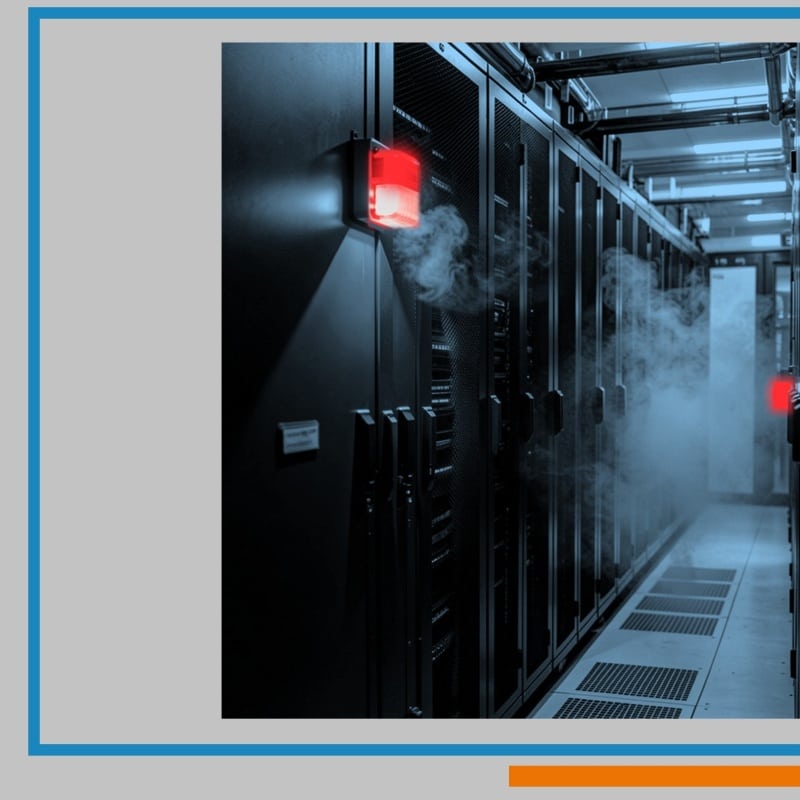
An improperly cooled server rack can lead to:
- Production or service stoppages;
- Communication failures;
- Premature component wear;
- High maintenance costs.
These risks are particularly prevalent in industrial environments subject to significant thermal stress, but can also arise in numerous professional or commercial activities.
The consequences can therefore lead to security issues (flaws in surveillance, monitoring, or filtering systems, etc.), disruptions to business continuity (interruption of devices, tools, etc.), and premature expenditure on replacing IT or electrical equipment.
Ultimately, we are therefore talking about major financial risks and a significant loss of profitability.
Cabinet air conditioner: several solutions
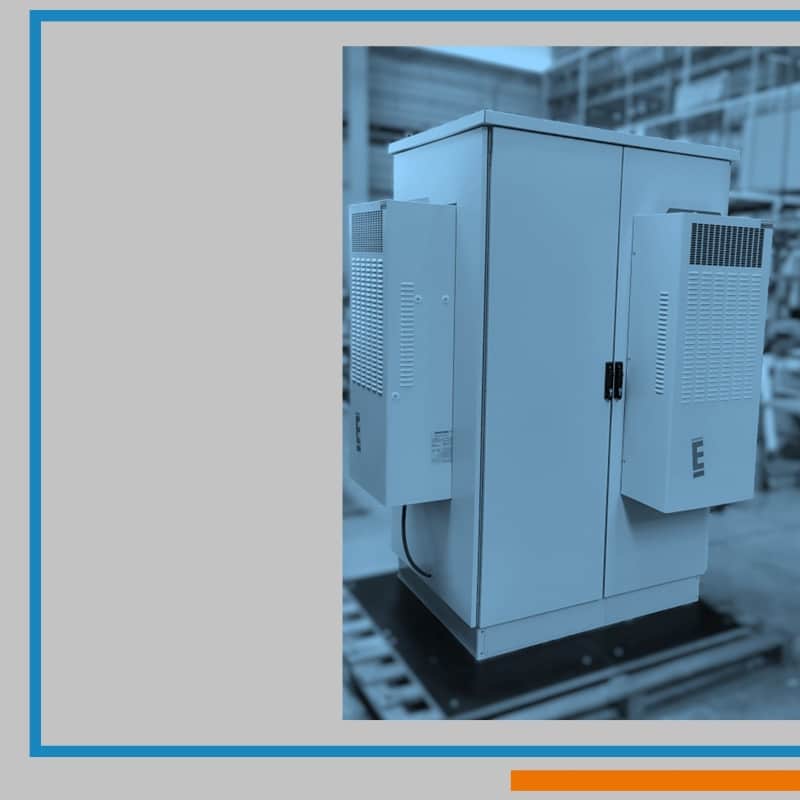
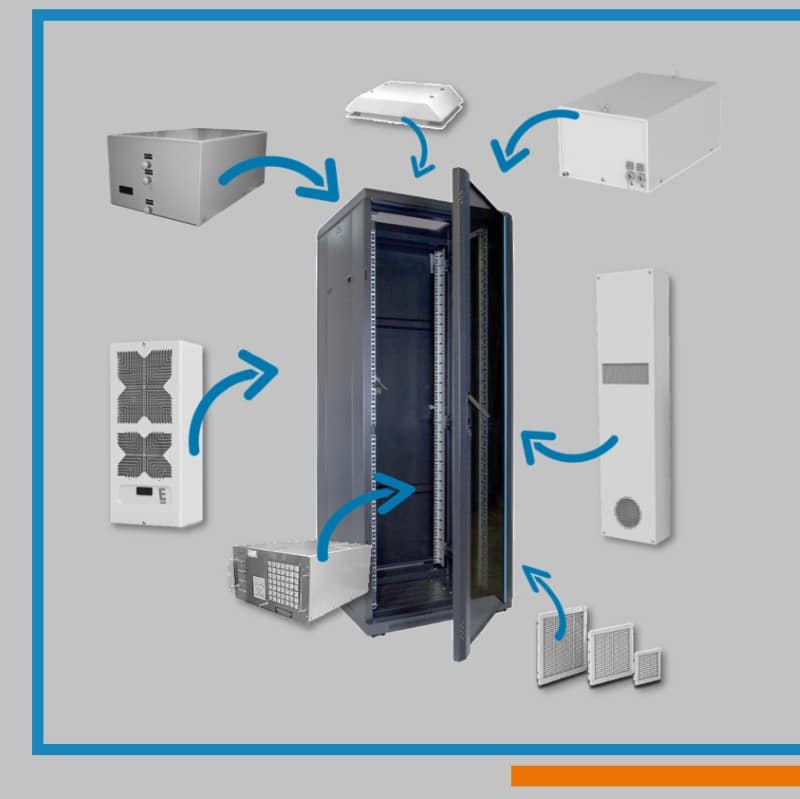
Several solutions exist to protect this equipment: air conditioners (rack, bay, enclosure or cabinet air conditioning, etc.), heat exchangers, fans, etc.
The choice depends on environmental constraints and the level of protection required.
Each installation requires a preliminary study conducted by a specialized engineering firm, which will assess:
- Dissipated power (the heat generated by the operation of equipment housed in the cabinet or rack);
- Ambient temperatures (range, fluctuations, etc.);
- Dust levels;
- Operational constraints (equipment load, installation environment, etc.).
This approach ensures optimal protection of the equipment.
To meet cooling needs for electrical cabinets, technical rooms, or shelters, EURODIFROID offers a wide range of solutions, such as:
- Side-mounted or roof-mounted cabinet air conditioners: CLX, CLC, CTO…
- Air-to-water heat exchangers (side- or roof-mounted): TWS, TFO, KWS, RFO…
- Or air-to-air heat exchangers (provided the ambient air is cool and stable): CSA.
To help you determine the cooling capacity required for your rack or server cabinet air conditioning, we provide a heat dissipation calculation chart.
For an IT rack: air conditioner or heat exchanger?
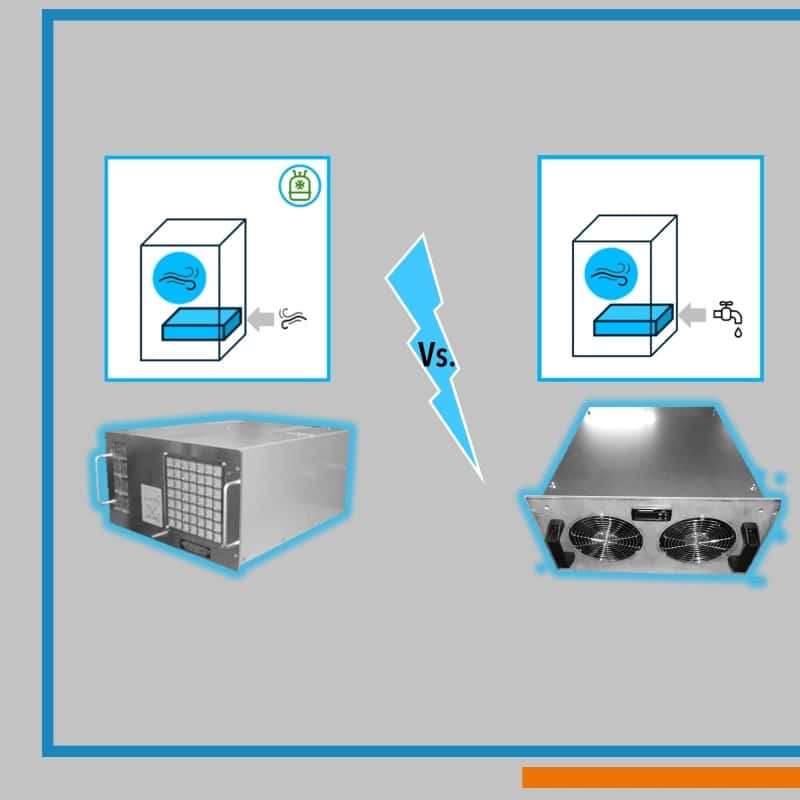
IT racks or servers used in industry, telecommunications, energy infrastructure, or technical centers often require dedicated cooling equipment.
EURODIFROID offers several technologies specifically adapted for IT racks (19″).
KCN and CIT cabinet air conditioners
KCN and CIT air conditioners operate on the refrigeration circuit principle: they extract heat from the IT cabinet and reject it externally using a complete refrigeration circuit comprising a compressor, an evaporator, and a condenser.
They mount directly onto your 19-inch racks inside the cabinet or enclosure to be cooled.
This equipment is particularly suitable when:
- Ambient temperatures are high;
- Power dissipation levels are high;
- No cold water source is available nearby (water, air).
They provide a 100% autonomous cooling solution for electrical cabinet air conditioning or climate-controlled IT racks, delivering consistent and perfectly stable cooling.
ECPO air/water heat exchangers
ECPO heat exchangers are based on a different principle.
They do not use an integrated refrigeration circuit but instead utilize an existing cold water source, such as one from:
- An industrial water chiller;
- An industrial refrigeration unit;
- A chilled water network (or loop).
Heat is transferred from the air inside the cabinet to the water circulating in the exchanger.
This enclosure air conditioning technology—also installed directly in the rack—offers several advantages:
- Energy efficiency is high (as the system consumes very little energy);
- Maintenance requirements are very low (or even virtually non-existent);
- Reliability is excellent (thanks to a simple, robust design);
- And no compressor is required, as there is no refrigeration circuit (resulting in low noise levels and reduced costs).
As an alternative to an enclosure or cabinet air conditioner, an air-to-water heat exchanger can therefore prove particularly advantageous for a site already equipped with a chilled water system (provided that the system is reliable and consistent).
THE QUESTION we are asked most often
“Would a simple cabinet ventilation be sufficient?”

The answer depends on the environment.
Cabinet ventilation may be suitable for clean, dry, and temperature-controlled premises (i.e., an environment that is sufficiently cool and stable).
However, when an IT rack is installed in a production workshop, a technical room, or an environment that is dusty, humid, or subject to temperature fluctuations, ventilation alone often proves insufficient.
An air-conditioned server cabinet or rack generally represents the most secure solution for sensitive industrial applications.
However, when installing a rack or cabinet air conditioner, ventilation is just as important!
- First, to improve the air conditioner’s efficiency: ventilation circulates air within the enclosure, ensuring a uniform temperature and distributing cool air to all components. Ventilation is also highly recommended when the enclosure is compact and densely packed.
- Second, to prevent condensation: proper air circulation reduces the risk of moisture and condensation forming on electronic boards and other components, thereby avoiding corrosion or insulation failures.
- Finally, combining an enclosure air conditioner with a ventilation system helps limit temperature spikes, thereby increasing the overall reliability of the system.
Ventilation or air renewal?
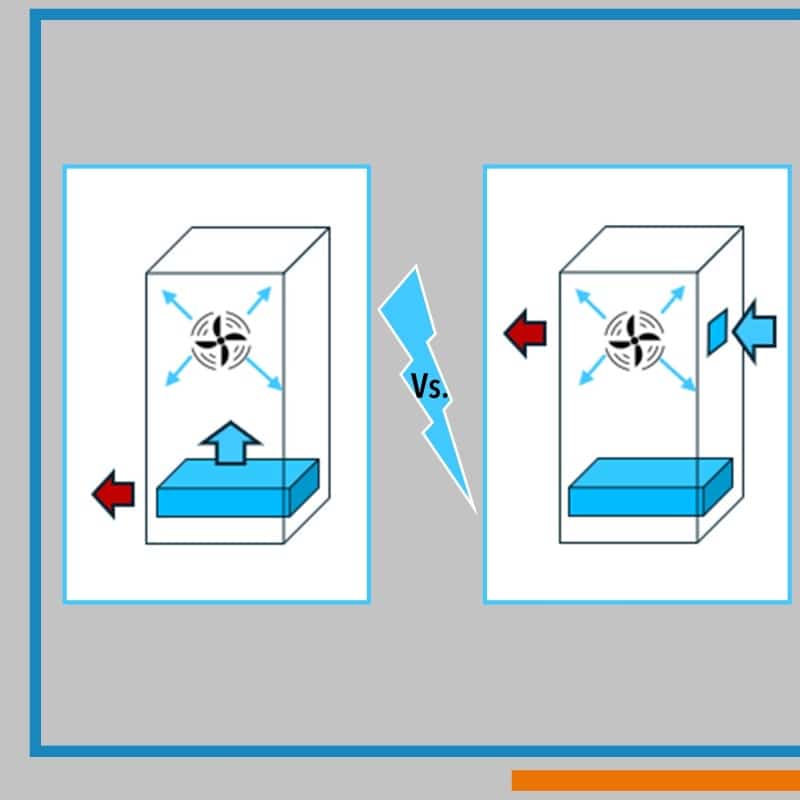
When discussing ventilation or air renewal (to complement a cabinet air conditioner), some clients raise concepts that are quite distinct and should not be confused.
The term “ventilation” generally refers to “internal ventilation” (see the previous paragraph), which involves circulating air that has already been conditioned within the cabinet or IT rack.
This ensures the cold air is evenly distributed around each component in the cabinet.
“Air renewal” involves introducing unconditioned ambient outdoor air into the cabinet; this technique is only advantageous if the ambient air is sufficiently cool and stable (and can even allow the cabinet air conditioner to be turned off to reduce energy consumption).
Above all, however, care must be taken to ensure that this fresh air supply is properly filtered before entering the cabinet or rack: if the air contains excessive dust or moisture, it could shorten the service life of the components.
The key area to watch: regulation.
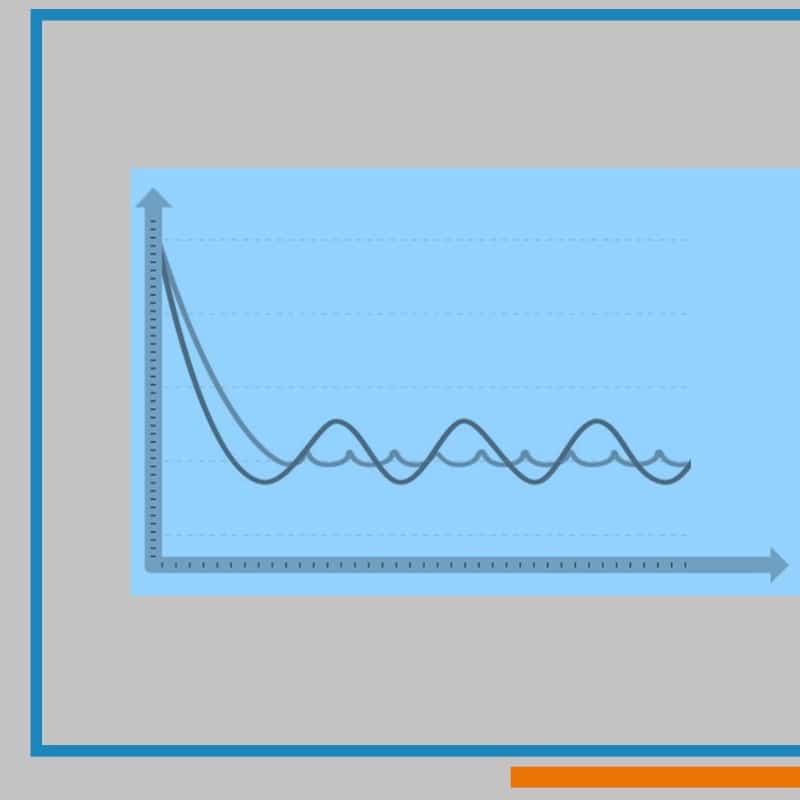
The primary danger is not always the maximum temperature reached, but rather rapid temperature fluctuations.
This is particularly true for electronic circuit boards or electrical systems that may be subjected to occasional, sometimes intense, stress.
The role of an industrial air conditioning device is not only to cool quickly but to cool evenly: maintaining a stable temperature over time, by reacting quickly to peaks in intensity, is essential in this area.
This is why the solutions developed by EURODIFROID integrate regulation systems that are both responsive and precise, making it possible to sustainably protect automation, robotics and industrial supervision equipment.
Thermal protection for industrial IT equipment is a major issue today, whether for a micro-enterprise, an industrial facility, or a large data center.
A technical solution (whether a heat exchanger or a cabinet air conditioner) will only deliver peak efficiency if intelligently managed by a reliable control program.
At EURODIFROID, we have mastered the precision work involved in programming control systems (including thermal regulation, as we do for chillers operating across a wide temperature range).
A well-suited, proven, and reliable enclosure or cabinet air conditioning solution, combined with high-quality technical support, therefore represents the best approach for ensuring the long-term security of equipment and guaranteeing operational continuity.
Not to be overlooked: the importance of maintenance.
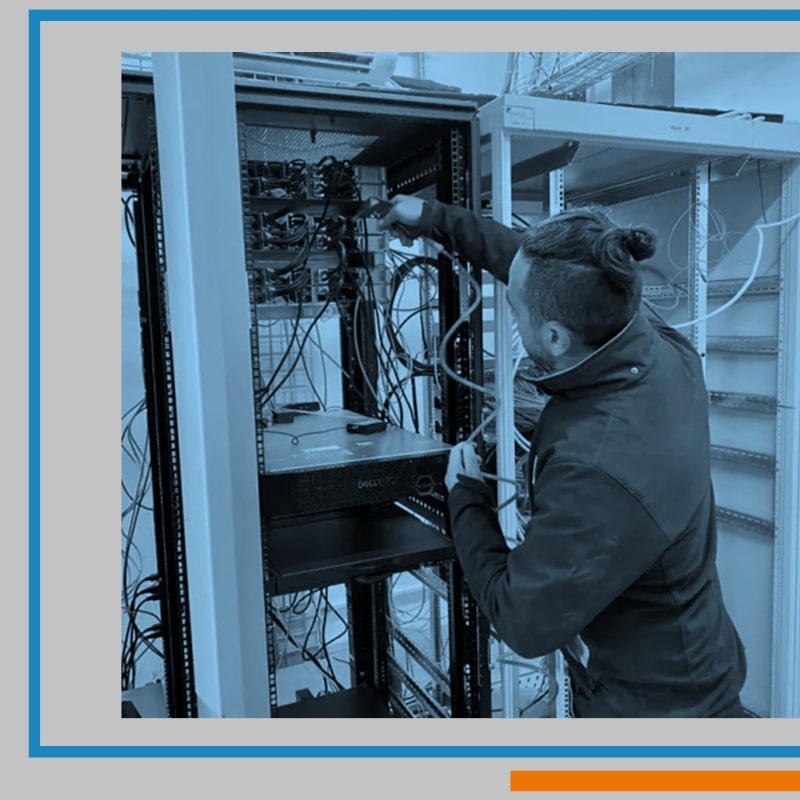
Like any refrigeration equipment, a rack, enclosure or cabinet air conditioner requires regular maintenance.
Appropriate preventive maintenance ensures performance, prevents unplanned downtime, and extends the service life of the installations.
Priority will therefore be given to:
- Thorough cleaning of the condenser (the grille that exhausts hot air) to prevent it from becoming clogged or blocked;
- At the other end (inside the cabinet or enclosure) checking the condition of the evaporator and its fins;
- Inspecting the fans to ensure the bearings are in good condition and the blades are intact;
- Checking and regularly cleaning the filters;
- Ensuring proper condensate drainage;
- Checking electrical wiring, operating parameters, and any active alarms;
- Finally, verifying the airtightness of the cabinet or enclosure (doors, seals, cable glands, etc.) to optimize air conditioning efficiency.
Do not hesitate to contact our technical teams for information or assistance regarding the maintenance of your cabinet air conditioner.
Released on: September/29th/2026
We’re also being talked about on the web: EURODIFROID on Google News