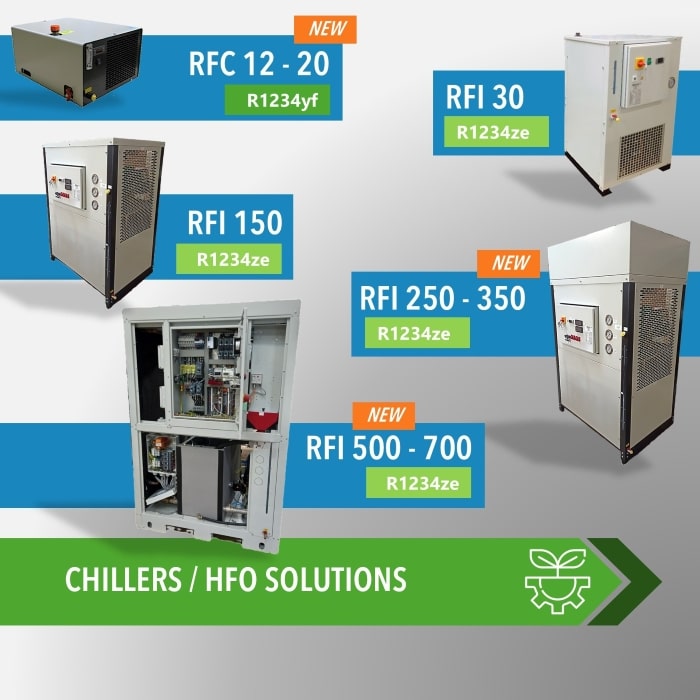
Successfully transition your industrial air conditioning and cooling equipments to the new European F-gas standards….
Read more


In the fields of pollution control and water treatment, temperature management is a crucial technical factor.
It determines the efficiency of the processes, the reliability of the installations, and the final quality of the treated water.
Whether it is drinking water, industrial water or effluents to be recycled, precise thermal regulation (such as water cooler / chiller, potentially fitted with hydraulic group) is essential to meet current health, environmental and regulatory requirements.
Many water treatment processes rely on delicate thermal balances. Poorly controlled temperature can lead to decreased performance, equipment degradation, or increased energy costs. Conversely, appropriate regulation optimizes efficiency, extends the lifespan of installations, and ensures the safety of the entire process.
In desalination:
Whether it relies on thermal processes (distillation, evaporation) or membrane processes (reverse osmosis), water temperature directly influences the pressure, viscosity, and permeability of the membranes.
Precise temperature control improves conversion rates, limits scaling, and reduces energy consumption, while ensuring consistently high-quality water.
In sterilization:
Water sterilization and disinfection also rely on rigorous temperature control. Heat treatments are used to eliminate bacteria, viruses, and pathogenic microorganisms.
Insufficient temperature compromises sanitary efficacy, while excessive temperature can alter the water’s properties or damage equipment. Thermal regulation thus ensures a proper balance between safety, performance, and durability.
In pollution control:
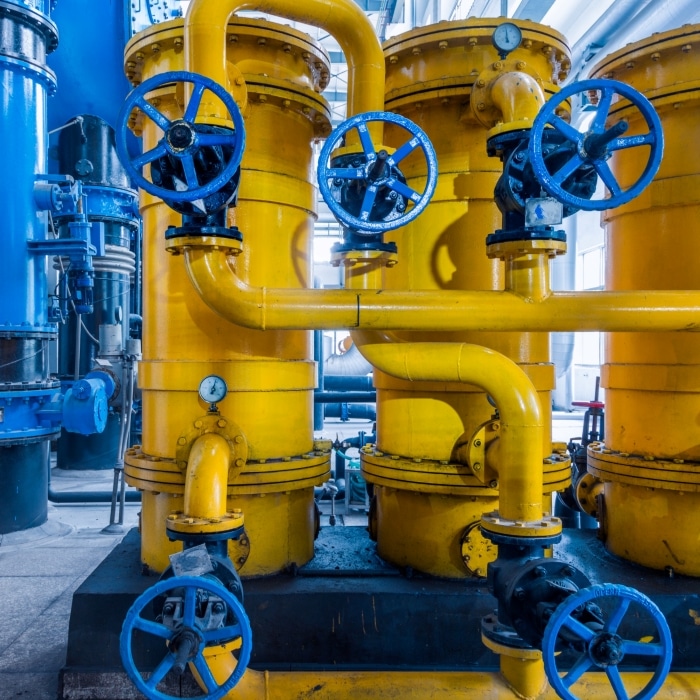
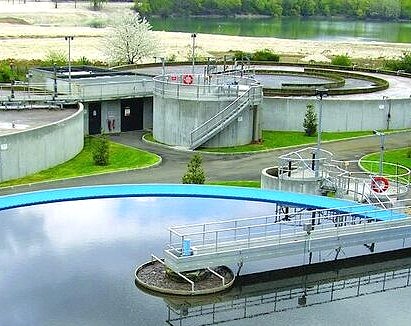
In liquid waste capture and treatment processes, particularly in industrial settings, temperature plays a key role in separating pollutants, sedimentation, and the volatilization of certain substances. Appropriate thermal management facilitates contaminant extraction, improves the efficiency of physicochemical treatments, and contributes to reducing pollutant discharges into the environment.
Filtration, whether mechanical, biological, or membrane-based, is also strongly influenced by temperature. Temperature impacts water flow, filtration speed, and biological activity in advanced treatment systems. A stable temperature ensures optimal filter operation and water quality that meets the strictest standards.
Furthermore, in all these applications, many pieces of equipment can be exposed to heating risks, which could degrade their efficiency or reliability (pumps, analysis chambers, etc.).
Cyclone Chido devastated numerous facilities on the island of Mayotte.
Among the vital services affected, full access to drinking water remains an absolute priority.
PROMINENT, a water treatment specialist, was quickly called upon to help resolve the critical situation.
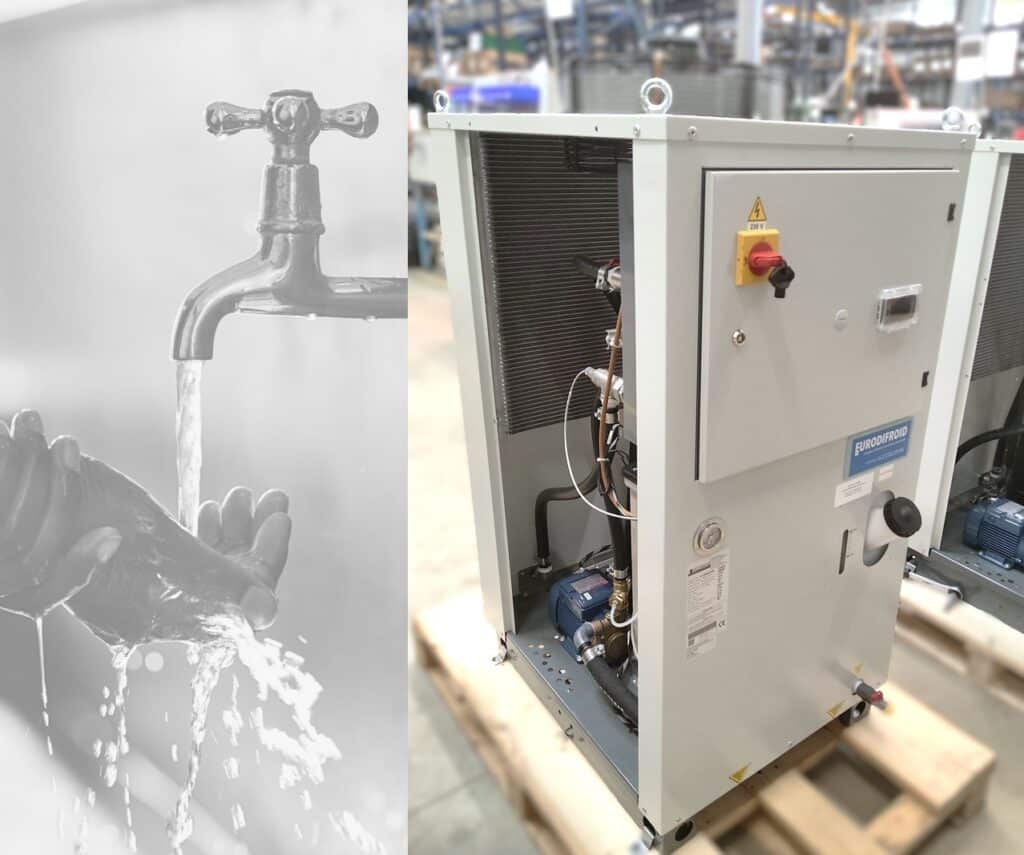
And as a long-standing partner, we were in turn contacted to provide the chillers needed to ensure the proper functioning of the facilities as quickly as possible.
Our teams, aware of the seriousness of the situation, demonstrated great responsiveness in prioritizing the delivery of 5 TRA water coolers as quickly as possible.
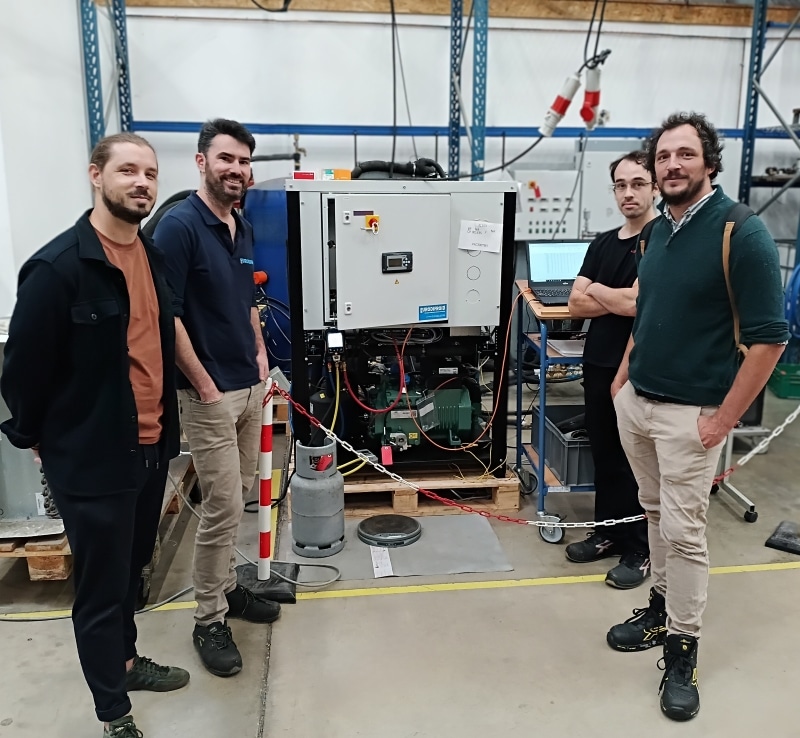
TMW is a young company specializing in wastewater treatment and water efficiency.
With its own engineering and consulting department, TMW leverages its expertise to offer its clients a range of technical solutions, particularly evaporation-concentration modules that analyze and treat wastewater to recover the maximum amount of clean water.
For industrialists, these installations can represent an important source of ecological benefit but also economic benefit (significant reduction of the “water pollution” fee).
Thermal management of these stations is a key element in the efficiency of the pollution control system: this is where our PAC 300 water chiller comes in!